
The psychology of gambling: Why we love casinos
The psychology of gambling: Why we love casinos
 contact@andracoaching.com
The allure of risk and reward
The fundamental appeal of gambling lies in the vibrant dance between risk and reward. This relationship captures the essence of human nature, where individuals are often drawn to situations infused with uncertainty. Casinos harness this allure by creating environments that immerse players in high-stakes scenarios, offering the tantalizing possibility of significant payoffs and online casino fast withdrawal options that enhance the excitement. The adrenaline rush that accompanies a bet can stimulate the brain’s pleasure centers, making the experience thrilling and addictive. Players often find themselves captivated by the idea of winning big, which can overshadow their rational assessments of risk.
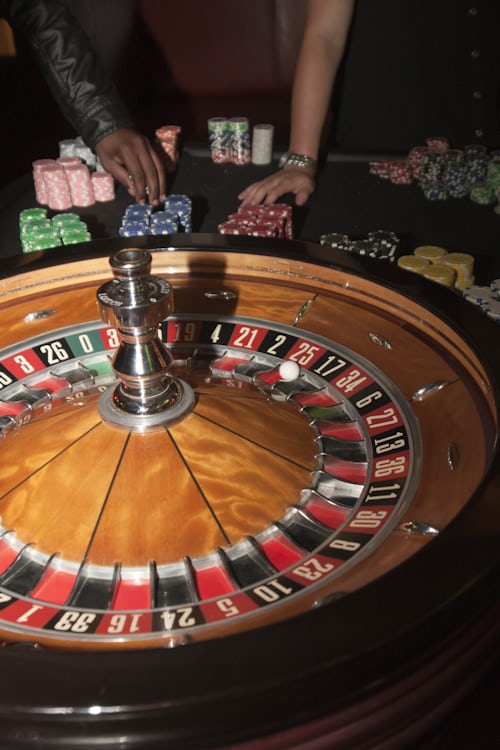
Moreover, the instant gratification derived from winning, even in small amounts, contributes to the psychological pull of gambling. When players make a successful wager, dopamine is released, leading to feelings of euphoria. This chemical response reinforces the behavior, creating a pattern of repeated visits to the casino as players chase the high of previous wins. This cycle is compounded by the fact that many gamblers believe they can beat the odds, nurturing a sense of hope and engagement. The unpredictability of outcomes heightens the excitement, making each visit an exhilarating gamble.
The ambivalence of winning and losing also plays a crucial role in gambling psychology. Players often remember their wins more vividly than their losses, a phenomenon known as the ‘availability heuristic.’ This cognitive bias can lead individuals to overestimate their chances of winning, fueling a desire to return to the casino. By emphasizing this dynamic, casinos effectively create an environment ripe for continued patronage, where hope springs eternal, even in the face of statistical reality. This interplay between memory and expectation keeps players engaged, perpetuating a cycle that can be both thrilling and dangerous.
The social dynamics of gambling
Gambling is not merely an individual pursuit; it is a social activity that fosters community and interaction. Casinos are designed to be lively spaces where people gather, share experiences, and celebrate victories together. This social aspect enhances the enjoyment of gambling, as players often engage in conversations, share strategies, or cheer each other on during games. The camaraderie built in such environments adds a layer of excitement that can make the experience even more pleasurable. The collective atmosphere of anticipation and celebration amplifies the emotional highs associated with winning.
Additionally, the competitive nature of some casino games encourages social interaction among players. Activities like poker specifically promote a blend of strategy and social skill, requiring players to read each other’s behaviors and intentions. This interpersonal dynamic can lead to lasting friendships and memorable shared experiences, further enhancing the appeal of casino visits. The thrill of competition, combined with the joy of companionship, makes gambling more than just a solitary endeavor. The ability to interact with others creates a shared narrative that enriches the experience.
Furthermore, casinos often host events that encourage socialization, such as tournaments and themed nights. These gatherings create opportunities for players to connect with others who share similar interests, enhancing their overall experience. The social dynamics of gambling not only contribute to the enjoyment of the activity itself but also cultivate a sense of belonging that many people crave, drawing them back to the casino time and again. The laughter, cheers, and shared moments create a vibrant tapestry of memories that players cherish long after they leave.
The influence of design and sensory experience
The environment of a casino plays a critical role in the gambling experience. Casino designers meticulously craft spaces that evoke excitement and stimulate the senses. Bright lights, vibrant colors, and engaging sounds create a stimulating atmosphere that draws players in. These elements combine to create a sensory overload that reinforces gambling behavior, making it difficult for individuals to resist spending more time and money within the establishment. The immersive nature of the casino environment is intentionally designed to keep players engaged and enthralled.
Moreover, the layout of a casino is intentionally designed to encourage exploration and prolong engagement. Slot machines are often placed near high-traffic areas to capture the attention of passersby, while table games are housed in inviting settings that beckon players to join. This strategic arrangement fosters an environment where the urge to gamble is heightened, as players find themselves surrounded by enticing visuals and sounds that amplify their desire to participate. The ease of access to various games creates an atmosphere that encourages spontaneous decisions to wager.
The sensory experience goes beyond mere aesthetics; it taps into deeper psychological triggers. The sounds of coins clinking, the cheering of winners, and the smell of complimentary beverages all contribute to a feeling of excitement and indulgence. This multi-sensory approach makes it easier for players to lose track of time and money, reinforcing their attachment to the casino environment and the experiences it offers. By engaging multiple senses, casinos create a memorable experience that lingers long after the visit ends, making players eager to return for more.
The role of escapism in gambling
For many individuals, visiting a casino serves as a form of escapism, providing a temporary reprieve from the stresses of daily life. The vibrant energy of a casino environment can transport players to a different reality, allowing them to forget their worries and immerse themselves in an exhilarating experience. This psychological escape is particularly appealing for those seeking relief from personal or professional challenges, making gambling an attractive option for coping. The thrill of the gamble can overshadow more mundane concerns, creating a bubble of excitement and distraction.
The thrill of gambling can act as a distraction, providing players with a sense of control and agency during a time when they may feel overwhelmed. Engaging in games of chance allows individuals to shift their focus away from their problems and invest their energy in an alternative narrative filled with potential triumphs. Casinos often capitalize on this desire for escapism by creating an environment that feels both liberating and exhilarating. This allure of temporary freedom can become an enticing escape route for those grappling with life’s pressures.
However, it’s essential to recognize the potential pitfalls of using gambling as a coping mechanism. For some, this escape can lead to problematic behavior and addiction, as the temporary pleasure derived from gambling can become a substitute for addressing underlying issues. Balancing the desire for escapism with responsible gambling practices is crucial to ensuring that the experience remains enjoyable and does not spiral into negative consequences. Understanding the need for healthy coping strategies can help individuals enjoy the thrill of gambling while maintaining a balanced life.
Understanding the psychological implications of casinos
The psychology of gambling is complex and multifaceted, reflecting a range of human emotions and motivations. Understanding these psychological implications can help players approach gambling more mindfully. Awareness of the emotional highs and lows associated with gambling can empower individuals to make informed decisions about their engagement with casinos. By recognizing patterns of behavior, players can better manage their experiences and set limits that align with their personal values and goals. This self-awareness is vital for fostering a healthier relationship with gambling.
Moreover, research into gambling psychology emphasizes the importance of balancing risk and reward. Players who approach gambling with a clear understanding of their motivations are more likely to enjoy the activity without falling into the traps of addiction or financial distress. Casinos can play a role in promoting responsible gambling practices by providing resources and information to players, encouraging them to prioritize their well-being even in a spirited gaming atmosphere. This proactive approach can help mitigate the risks associated with gambling.
In conclusion, the psychology behind why we love casinos is deeply rooted in our desire for excitement, social connection, and escapism. Understanding these factors enables individuals to enjoy the thrill of gambling while being mindful of its potential challenges. Emphasizing responsible gambling practices creates a healthier gaming landscape, ensuring that the joy derived from casinos remains a positive experience for all involved. By fostering an environment that supports responsible behavior, casinos can enhance the overall experience for players, making it both enjoyable and sustainable.